The Family System That Makes Kids More Responsible—Before School Even Starts
How to build routines that reduce daily stress, encourage independence, and help your entire family start the school year with confidence.

Summer always seems to end faster than we expect. One day your children are swimming, riding bikes, and spending long afternoons with friends. The next, you're shopping for school supplies, checking class schedules, and wondering whether anyone remembers how to wake up before 8:00 a.m.
For many families, the weeks before school starts feel overwhelming. Parents begin thinking about everything at once:
- Summer reading lists
- Math review
- School supplies
- Sports schedules
- Music lessons
- Homework
- Lunches
- Laundry
- Screen time
- Bedtime routines
It's a lot. And that's exactly why this is the perfect time to build a family system. Not a complicated system. Not a rigid system. A simple one that helps children become more independent while making life easier for parents.
Throughout this series, we've talked about why reminders don't work, how routines become habits, and why consistency matters more than perfection. Now it's time to put everything together.
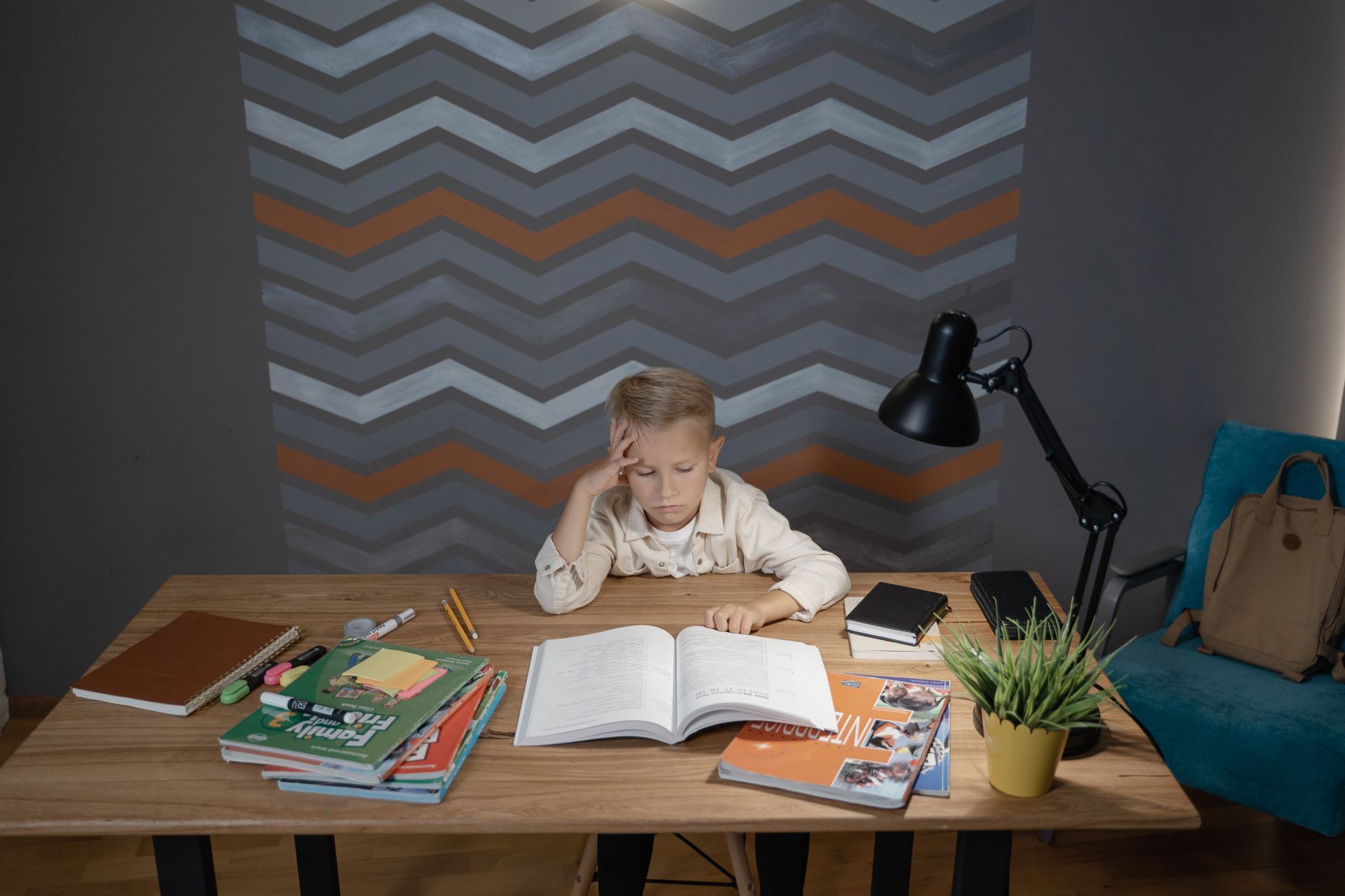
The Goal Isn't a Perfect Child
Many parents quietly carry an impossible expectation. They hope that one day their child will simply remember everything. Homework. Reading. Piano practice. Feeding the dog. Packing a backpack. Cleaning their room.
The truth is, most adults don't remember everything either. We use calendars, shopping lists, phone reminders, and sticky notes. Why? Because systems are easier than relying on memory.
Teaching independence doesn't mean expecting children to remember everything alone. It means giving them the tools that help them succeed.
Think Like a Coach, Not a Reminder
Imagine two soccer coaches. One spends the entire game shouting instructions. The other teaches skills during practice so players know what to do without constant coaching. Which team becomes more independent?
Parenting works the same way. Instead of asking yourself, "How do I remind my child more effectively?" try asking a different question.
That single question changes everything.
Build Your Family System in Five Simple Steps
You don't need a complete family makeover. Start small and focus on what truly matters most.
Step 1: Decide What Really Matters
Many families try to improve twenty different things at once. Instead, choose just a few priorities: daily reading, age-appropriate home chores, limited screen time, outdoor play, and preparing for school.
That's enough. When routines stay simple, children are much more likely to succeed.
A Simple Daily Routine for Kids
Step 2. Children thrive when they know what comes next. Structure brings calm and helps habits stick.
- Wake up
- Make the bed
- Brush teeth
- Get dressed
- Breakfast
- Read for 15 minutes
- Lunch
- Outdoor play
- Homework or summer learning
- Home chore
- Family dinner
- Activities or sports
- Prepare backpack
- Reading before bed
Notice what isn't included: constant reminders. The routine does the work.
Chores for Kids by Age
Step 3. One of the most common parenting mistakes is expecting too much, or too little. Start small and grow together.
🌿 Younger Children (4–8)
- ✓ Put toys away
- ✓ Feed the pet
- ✓ Water plants
- ✓ Match socks after laundry
🎒 Older Children (9–12+)
- ✓ Vacuum
- ✓ Fold laundry
- ✓ Empty the dishwasher
- ✓ Organize school supplies
- ✓ Help prepare meals
Every new responsibility builds confidence.
Make Expectations Visible
Step 4. One of the simplest ways to teach responsibility is to stop keeping everything inside your head. When kids can see the plan, they don't need constant reminders.
Children gradually learn to check the plan before asking, "What do I do now?" That's real independence.
- ✓ Reading goals
- ✓ Homework
- ✓ Sports practice
- ✓ Home chores
- ✓ Family activities
- ✓ Bedtime routines

Step 5: Celebrate Progress
Children don't need perfect report cards every day. They need encouragement. Instead of saying, "You forgot again," try saying, "I noticed you remembered without me asking."
Praise effort. Celebrate consistency. Notice improvement. Children repeat behaviors that make them feel successful.
What If Your Child Pushes Back?
Every family experiences resistance. That's normal. Use a calm, kind, and consistent formula.
"I know you'd rather keep playing."
"Reading comes before screen time."
"Would you rather read on the couch or outside?"
Children feel respected. The expectation stays the same. Everyone stays calmer.

A Story That Might Sound Familiar
Jessica and David both work full-time and have three children. Every afternoon felt chaotic. One child had soccer practice. Another had piano lessons. Their youngest needed help with reading.
Grandma picked the children up twice a week. A babysitter helped on Fridays. Everyone cared deeply, but nobody knew exactly what everyone else had planned. Sometimes chores were forgotten. Sometimes two adults reminded the same child about the same task. Other times nobody reminded them at all.
It wasn't because anyone didn't care. It was because there wasn't one shared system.
After creating one weekly family plan, something changed. Each child knew their own responsibilities. Grandma could see the routine. The babysitter followed the same expectations. Mom and Dad didn't have to text each other all afternoon asking, "Did Emma finish her reading?"
The children became more independent because the adults became more organized.
Frequently Asked Questions
1. How do I make kids more independent?
Start with small daily responsibilities, consistent routines, and realistic expectations. Independence grows through repetition, not pressure.
2. How do I stop nagging my child?
Replace repeated verbal reminders with visible routines, family checklists, and consistent expectations.
3. My child forgets everything. Should I worry?
Not necessarily. Executive function skills develop gradually throughout childhood. Your role is to provide structure while those skills mature.
4. How much screen time is appropriate?
Every family is different, but creating a predictable screen time routine where responsibilities come first helps reduce conflict.
5. My child refuses to read.
Keep reading sessions short and consistent. Fifteen focused minutes every day usually works better than one long session once a week.
6. Should children have chores?
Absolutely. Age-appropriate home chores teach responsibility, confidence, teamwork, and life skills.
7. What if I have more than one child?
Create individual expectations while keeping one shared family routine. Children develop at different rates, so avoid comparing them.
8. I'm a working parent. How can I stay organized?
Reduce the mental load by planning the week in advance instead of making decisions every afternoon.
9. Grandparents and babysitters help with childcare. How do we stay consistent?
Use one shared plan so every caregiver follows the same routines and expectations.
10. What matters most?
Consistency. Not perfection. Children need parents who calmly repeat the same routines until those routines become habits.
Questions Every Parent Should Ask
Small questions lead to big changes.
One Small Change Can Transform Your Family
You don't need a brand-new parenting philosophy. You don't need stricter rules. You don't need louder reminders. You need a system.
One that helps children know what to do before someone tells them. One that gives working parents fewer things to remember. One that keeps caregivers, grandparents, and babysitters on the same page. One that builds confidence instead of conflict.
The goal isn't simply getting children through today's homework. The goal is raising young people who know how to manage themselves long after they've left home. That journey begins with one routine. Then another. Then another.
Eventually, those routines become habits. Those habits become responsibility. And responsibility becomes independence.
Ready to Stop Being the Family Reminder?
Imagine opening one app and seeing everything your family needs for the week. Each child has their own personalized routine. Recurring home chores are already scheduled. Reading goals are easy to track with an individual Reading Log for every child. Family activities are organized in one shared calendar.
Working parents, grandparents, babysitters, and other caregivers all stay on the same page. Even your family's Grocery List is in one convenient place, making it easy for everyone to add items throughout the week.
That's exactly why we created MiloMint, designed for modern families who want to raise independent, responsible children while reducing the daily mental load on parents.
This school year, give your family something more valuable than another reminder. Give them a system.
Download MiloMint on the App Store →End of the four-part series: small routines become habits, habits become responsibility, and responsibility becomes independence.
Photos via Pexels: Ron Lach, Tima Miroshnichenko, RDNE Stock project, Andrea Piacquadio.