Why Smart Parents Stop Reminding Their Kids All Day
The secret isn't becoming a stricter parent. It's creating a family system that helps children remember on their own.
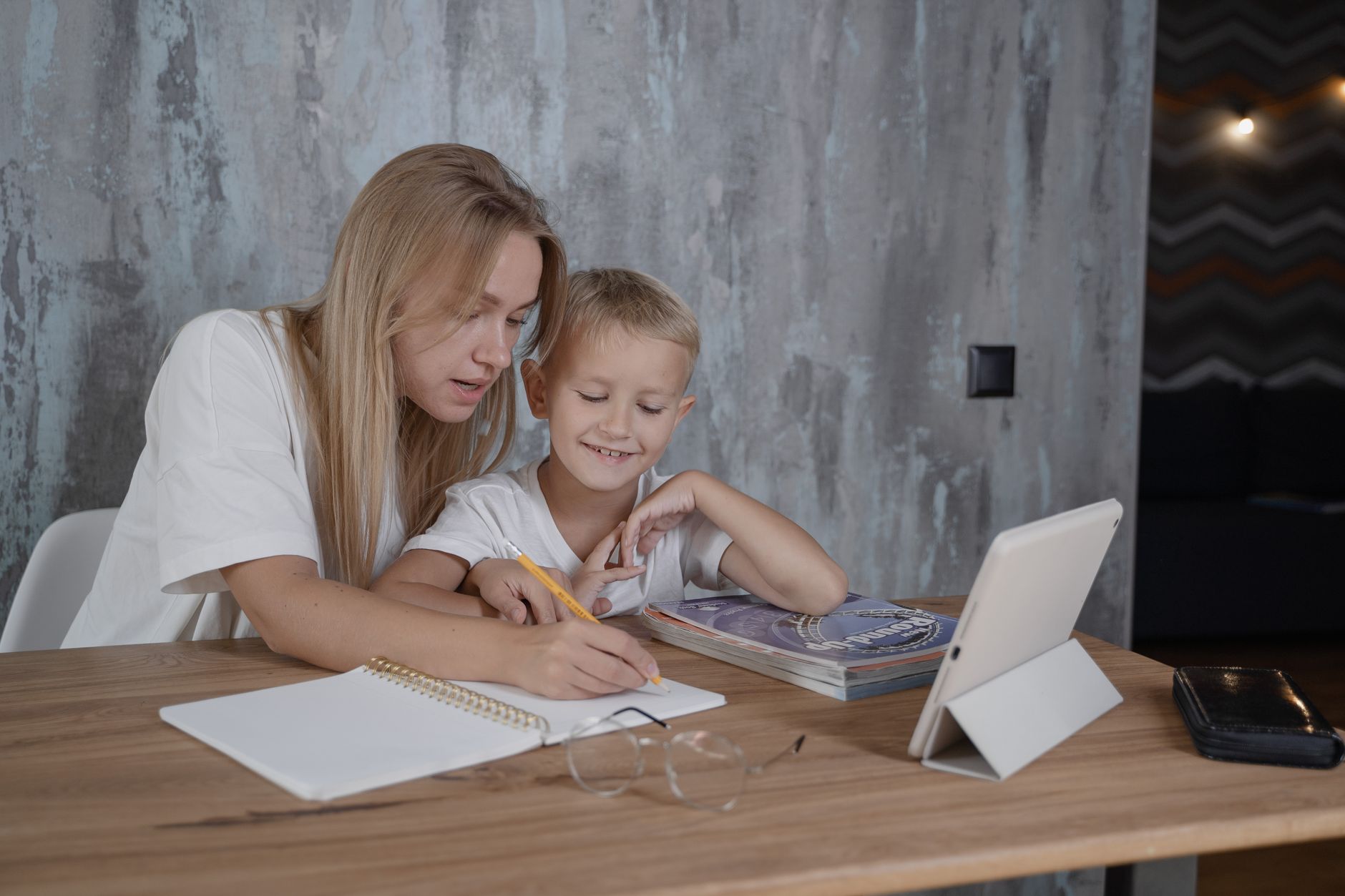
If you've ever caught yourself saying:
...you're in good company. Every parent reminds their children. The problem isn't the occasional reminder. The problem is when reminders become your primary parenting strategy.
Many parents don't realize it, but when we're constantly reminding children what to do, we're unintentionally becoming their external memory. Instead of learning to plan, remember, and complete responsibilities independently, children begin waiting for the next reminder.
Eventually, a pattern develops. The parent reminds. The child delays. The parent reminds again. The child finally completes the task. And the cycle repeats tomorrow.
If this sounds familiar, don't worry. It doesn't mean you're doing something wrong. It simply means your family may need a better system. And the good news is that systems can be learned.

Independence Starts with Executive Function Skills
Parents often ask, “Why does my child forget everything?” In many cases, the answer isn't laziness or lack of motivation. It's brain development.
Children between the ages of five and twelve are still developing executive function skills: the mental abilities that help us organize, plan, manage time, switch attention, remember instructions, and complete tasks. Adults use these skills without thinking. Children are still learning them.
That's why a child can remember every Pokémon character or every Roblox strategy, yet completely forget to put their homework into their backpack. Their brain isn't finished developing, and that's okay.
This is why positive parenting strategies focus less on punishment and more on teaching children how to organize themselves. The goal isn't perfect behavior today. The goal is building lifelong skills.
Why Consistency Matters More Than Strictness
Imagine this situation:
Can you see the problem? Children are excellent pattern detectors. Very quickly they learn that if they argue long enough, negotiate hard enough, or simply wait, the rule may disappear.
This doesn't make them manipulative. It makes them observant.
Inconsistent
- ✕ Rules change daily
- ✕ Children negotiate more
- ✕ More stress and confusion
- ✕ More arguments
Consistent
- ✓ Rules stay the same
- ✓ Children feel secure
- ✓ Less stress
- ✓ More cooperation
One of the most effective positive parenting strategies is having clear expectations that don't change depending on everyone's mood.
Create a Family Agreement
One of the easiest ways to reduce daily arguments is to make expectations visible. Instead of repeating the same rules every afternoon, consider creating a simple Family Agreement together.
Our Family Agreement
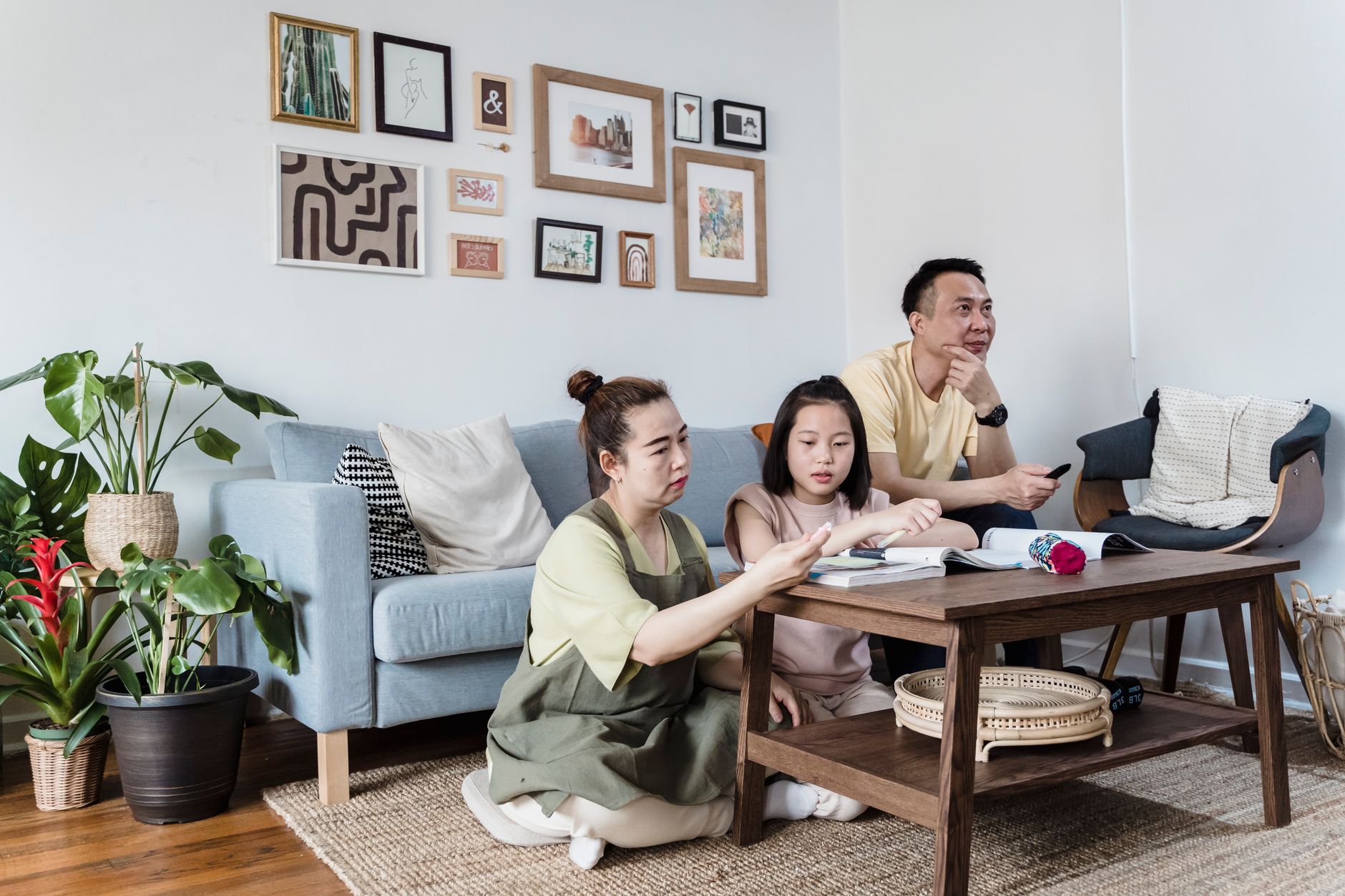
Notice something important. Children are much more likely to follow rules they've helped create. When children participate in setting expectations, they feel ownership instead of feeling controlled.
That simple shift often changes the entire conversation. Instead of hearing, “Because I said so,” they begin hearing, “Remember what we agreed on?”
A Daily Routine for Kids Reduces Stress
Children actually spend less energy deciding what to do when they already know what comes next. Think about your own morning. Most adults don't debate whether they should brush their teeth. It's automatic. That's exactly what we're trying to create for children.
- Wake up
- Make the bed
- Brush teeth
- Eat breakfast
- Read for 15 minutes
- Lunch
- Outdoor play
- Summer math or homework
- One home chore
- Family dinner
- Activity or sports practice
- Prepare for tomorrow
- Reading before bed
Children don't need every minute planned. They simply need enough structure that responsibilities become normal.
Screen Time Works Better with Clear Boundaries
One of the biggest sources of conflict in modern families is screen time. The problem isn't necessarily technology. The problem is uncertainty. If children never know when they can use devices, every request becomes another negotiation.
Instead of saying, “Turn it off right now,” try making screen time part of the daily routine.
- Reading
- Math practice
- Home chores
- Outdoor play
- Tablet
- Video games
- Television

This creates a healthy screen time routine without turning devices into the enemy. Children understand the sequence. Responsibilities first. Entertainment second.
The discussion becomes much shorter because the expectation is already clear.
Chores Teach More Than Responsibility
Many parents think chores are simply about keeping the house clean. They're actually teaching something much bigger. Children learn that every member of a family contributes, and even small jobs help build confidence. The best chores for kids by age are simple enough that children can succeed independently.
🌿 For Younger Children
- ✓ Put toys away
- ✓ Water plants
- ✓ Feed the pet
- ✓ Match socks after laundry
🎒 For Older Children
- ✓ Vacuum their room
- ✓ Empty the dishwasher
- ✓ Help prepare dinner
- ✓ Fold laundry
- ✓ Organize school supplies
The goal isn't perfection. The goal is participation.
Progress Is Better Than Perfection
Parents sometimes feel discouraged because routines aren't perfect immediately. That's completely normal. Building habits takes time.
Some days children will forget. Some days parents will forget. Some days life gets busy. Don't let one difficult day convince you that the system isn't working.
Focus on consistency instead of perfection. Every successful family routine starts with small, repeatable actions.
Questions Every Parent Should Ask
The Goal Isn't Obedience
It's easy to think success means children immediately doing everything they're asked. But long-term success looks different.
Success is a child who remembers to feed the dog without being reminded. Success is a child who picks up a book because reading has become part of the day. Success is a child who knows their responsibilities before asking for screen time.
Those moments don't happen by accident. They happen because routines become habits. And habits eventually become character.
Before You Go…
Imagine finishing work and already knowing exactly how the evening will unfold. The children know their activities. The chores are already assigned. Reading time is part of the routine. Everyone understands what comes first.
That kind of calm rarely happens because parents become better at remembering everything. It happens because the family has a system. Many families begin with a paper checklist or a calendar on the refrigerator. Others find it easier to use a digital family planner that keeps routines, recurring chores, activities, and schedules in one place where every family member, and even caregivers, can stay on the same page.
The specific tool matters less than the habit of planning together.
Explore MiloMint on the App Store →Next in the series: we'll explore how simple daily habits, not constant motivation, help children become more responsible, more confident, and far more independent, even when they initially resist.
Photos via Pexels: Tima Miroshnichenko, August de Richelieu, Annushka Ahuja, Helena Lopes.