Screens Are Not the Enemy. But They Cannot Run the Summer.
Devices can help working parents survive busy days, but they work best when they come after reading, chores, movement, and responsibility.
Screen time is one of the biggest summer battles in many homes.
And it starts early.
A child wakes up and asks for the tablet. Another wants TV during breakfast. Someone wants video games before getting dressed.
You say no. They ask again. You explain. They complain. You give a warning. They get upset.
Now it is only 9:00 a.m., and the whole day already feels tense.
For working parents, this battle is even harder because screens are tempting for everyone.
Kids want them because they are fun. Parents sometimes need them because they create quiet.
When you have a meeting, a deadline, or a stressful work call, a device can feel like the only thing keeping the house from falling apart.
The real question is not “Are screens bad?”
- Are screens helping your day, or running your day?
- Do they come after responsibilities, or instead of responsibilities?
- Does your child know when screen time starts and when it ends?
Screens are not the enemy
Screens are not automatically bad. A movie can be fun. A game can be social. A show can give a tired parent 30 minutes to finish work or make dinner.
The real problem is when screens become the default.
When there is no summer structure, devices fill every empty space. They become the first activity in the morning, the answer to boredom, the background noise during meals, and the thing kids return to all day.
That is when screen time starts to feel less like entertainment and more like a takeover.
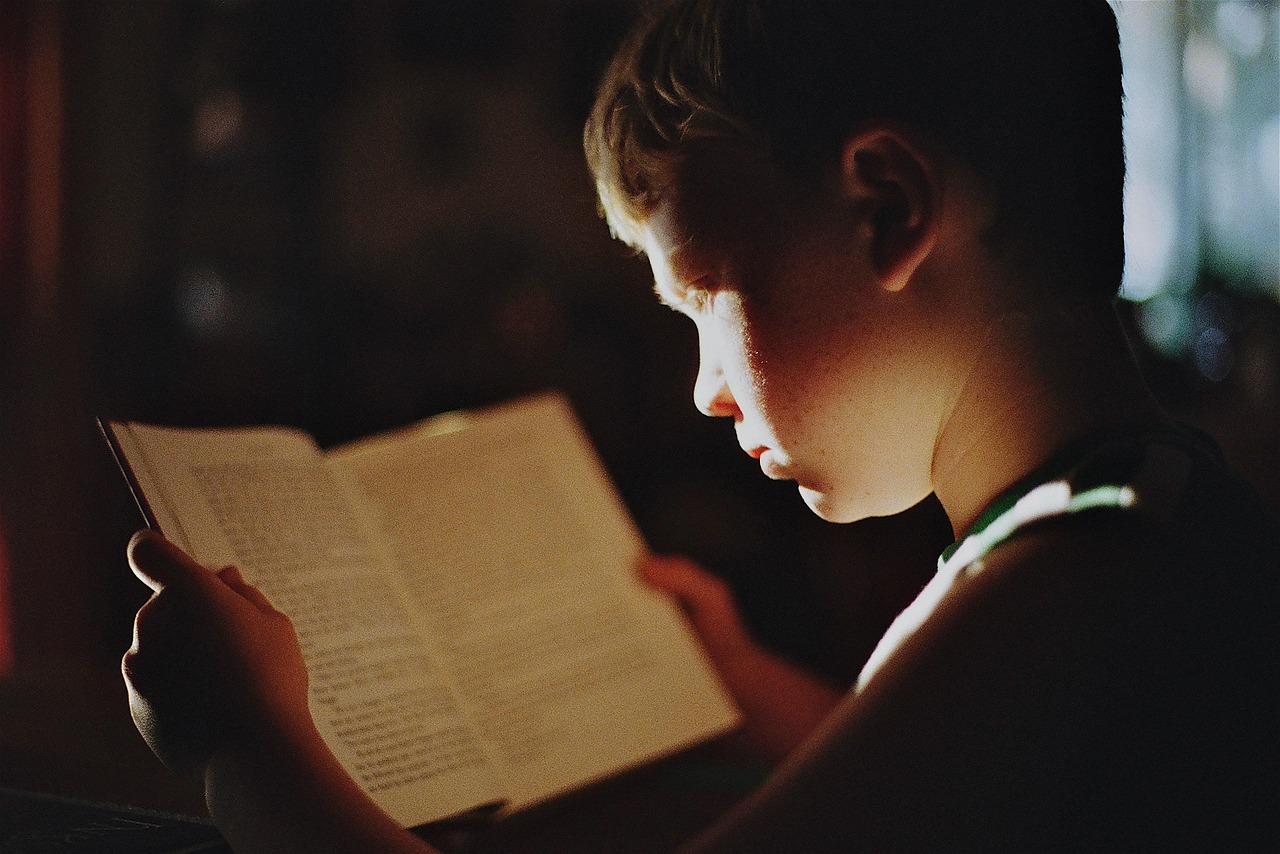
What happens when screens come first?
If screens happen first, everything else becomes harder.
Reading feels like an interruption. Math feels like punishment. Chores feel unfair. Outside time feels boring.
The child has already started with the most stimulating thing, and now everything else feels worse by comparison.
This is why “screens after responsibilities” is such a useful rule.
It is clear. It is simple. It does not require a long argument.
It also teaches delayed gratification.
Kids learn that fun things are allowed, but they do not come before basic responsibilities.
The order teaches the lesson
Think about the message your child gets when screen time comes first every day.
Before getting dressed, before reading, before helping, before going outside, before doing anything difficult, the child gets entertainment.
That order trains the brain to expect comfort first.
Now think about the opposite message.
You wake up. You get ready. You take care of your body. You read. You practice. You help the family. You move. Then you relax.
That order builds maturity.
It tells kids, “You are capable. You contribute. You can do small hard things. You can wait.”

Predictability reduces arguments
For working parents, the order matters because it reduces negotiation.
Instead of deciding from scratch every morning, you can repeat the same sentence: “Screens happen after responsibilities.”
If your child asks again, you do not need a new answer.
“Screens happen after responsibilities.”
If they complain, the answer stays the same.
This keeps the rule from feeling personal. You are not being mean. You are not randomly saying no. You are following the family rhythm.
Kids can sense when rules are based on stress. If you say yes when you are busy, no when you are annoyed, yes when you feel guilty, and no when you feel overwhelmed, kids learn to keep pushing.
They are not bad for doing this. They are testing the system.
So give them a system that is easy to understand.
Give screen time a window
A screen-time window makes the day calmer.
For example, screens may happen after lunch, during a parent’s afternoon meeting block, after outdoor time, or after chores and reading are done.
The exact rule depends on your family. But the more predictable it is, the less kids need to ask all day.
You can say, “Screen time is from 2:00 to 3:30,” or “You can have one show after your responsibilities are finished.”
The rule does not need to be perfect. It needs to be consistent.
Kids need alternatives
Here is the hard part: kids need alternatives.
If you reduce screens but do not give the day any shape, kids will just feel bored and angry.
That does not mean you need to entertain them every minute. Kids need to learn how to handle boredom. But they still need a few clear options.
Read. Draw. Play outside. Build something. Help cook. Do a puzzle. Listen to music. Play a board game. Write a story. Walk the dog. Call a grandparent. Clean your room. Make a snack.
The options do not need to be fancy. They just need to exist.
When your child says “There is nothing to do,” what do they really mean?
- Nothing is as easy as a screen.
- Nothing is already planned.
- Nothing has been practiced enough to feel natural yet.

Screens can be part of summer
Working parents already carry enough guilt. The point is not to shame yourself.
The point is to make the day easier.
Screens can be part of summer. They just should not be the center of summer.
The center should be growth, play, responsibility, rest, movement, and connection.
When screens come after those things, they feel less like a battle.
And the whole house feels calmer.
The real point
Screens are a tool. They are not the plan.
Put responsibilities first, make screen time predictable, and give kids real alternatives. That is how screen time stops taking over summer.
“Screens after responsibilities” is the whole idea behind MiloMint: kids earn their screen-time minutes by finishing the day’s tasks, and a parent sets the daily limit. The app keeps the rule consistent so you don’t have to. See how at milomint.app.
Make screen time something kids earn
Set a daily limit; kids unlock their minutes by finishing tasks first. Free, no ads — the rule stays the same every day.
Get MiloMint free on the App Store →Free family calendar, chores & allowance · No ads, ever · Plus adds Snap & printing for $29.99/yr
Read next: the summer morning rhythm that puts this order on autopilot, or why summer evenings matter most.